
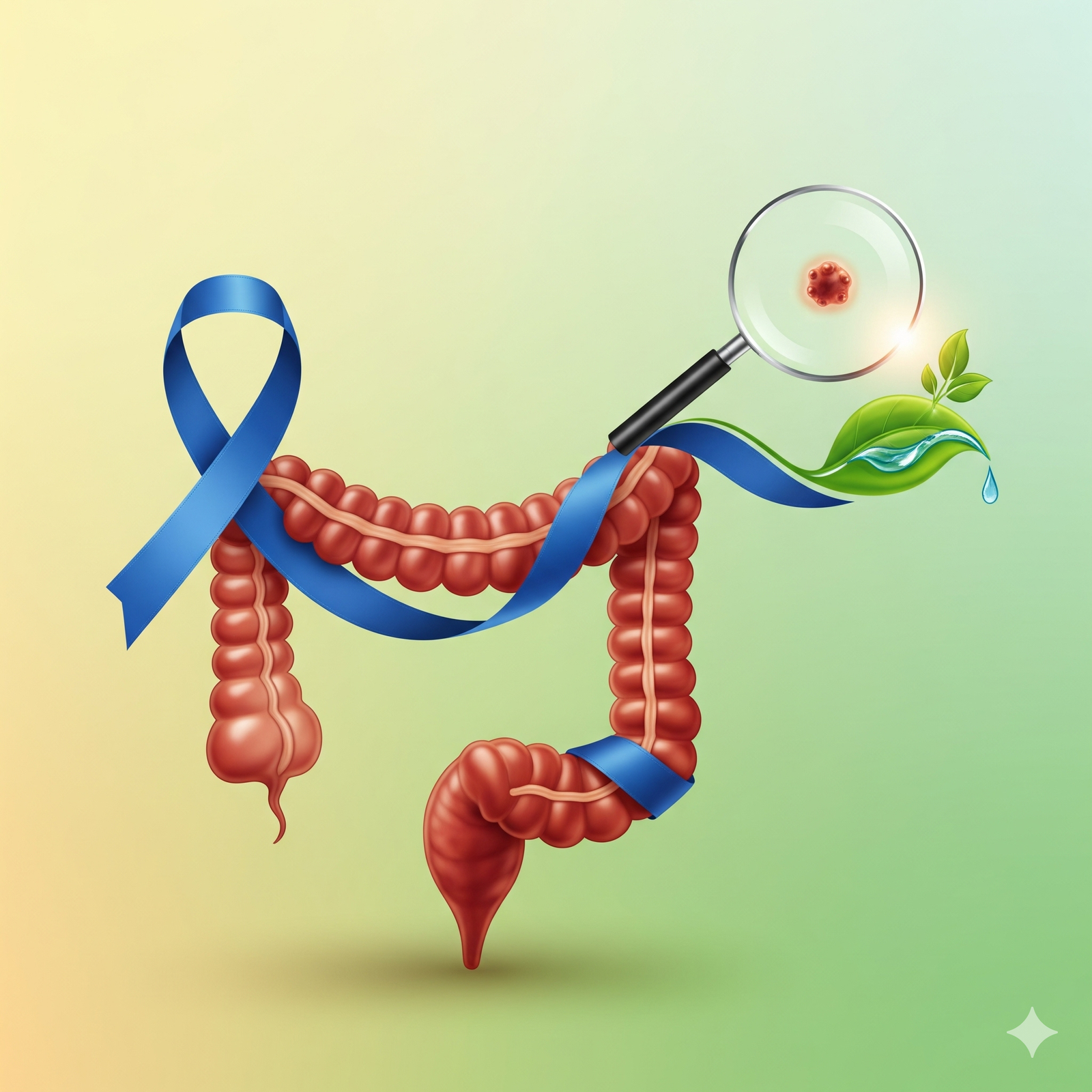
Colorectal cancer is a significant health concern, but it is also one of the most treatable cancers when caught early. The key to improving outcomes is proactive awareness and understanding the body’s signals. This article outlines the essential symptoms and signs you should be aware of, empowering you to recognize potential issues and seek timely medical advice.
Why Early Detection Matters
Colorectal cancer is highly treatable when caught early. Routine screening such as stool tests or colonoscopy is recommended from age 45–50, or earlier for people with a family history of the disease.
A Proactive Approach to Health
Many people are hesitant to discuss bowel-related issues, but doing so can be life-saving. The symptoms of colorectal cancer can be subtle and easily mistaken for other, less serious conditions. Knowing what to look for and when to act is a critical step in taking charge of your well-being.
Key Symptoms and Signs to Watch For
While these symptoms do not automatically mean you have cancer, their persistence warrants a visit to your doctor for a proper diagnosis.
Persistent Changes in Bowel Habits: Pay close attention to your body’s routines. A lasting change in your bowel habits, such as new-onset constipation or diarrhea that doesn’t go away, can be a warning sign. This also includes a change in the consistency or shape of your stool, such as it becoming narrower than usual.
Blood in Your Stool or Rectal Bleeding: This is one of the most common and clear indicators that should not be ignored. The blood may be bright red, or it could be darker and make the stool look black or tarry. While common conditions like hemorrhoids can also cause this, it’s essential to get it checked by a medical professional to rule out more serious causes.
Persistent Abdominal Discomfort: Symptoms like cramping, gas pains, or bloating that are persistent and do not resolve can be a sign. This discomfort might be caused by an obstruction or a growth in the colon.
Unexplained Weight Loss: Losing weight without making any changes to your diet or exercise routine can be a cause for concern. When cancer is present, it can consume a significant amount of the body’s energy and nutrients, leading to weight loss over time.
Chronic Fatigue and Weakness: Feeling unusually tired all the time, even when you are getting enough sleep, can be linked to colorectal cancer. This is often a result of anemia, which is caused by a slow, chronic loss of blood from the tumor. The lack of red blood cells to carry oxygen throughout the body can leave you feeling weak and exhausted.
A Feeling of Incomplete Bowel Emptying: A sensation that your bowel has not completely emptied after a movement is another symptom to be aware of. This can be caused by a tumor in the rectum.
When to See a Doctor
If you notice persistent changes in bowel habits, blood in your stool, or any combination of the above symptoms, consult your healthcare provider promptly. Don’t wait for symptoms to worsen—early detection can save lives.
Colorectal Cancer Screening Guidelines in Australia
Australia has one of the highest rates of colorectal cancer globally, making screening a vital public health priority. The National Bowel Cancer Screening Program (NBCSP) offers free screening using an immunochemical fecal occult blood test (iFOBT), which detects tiny amounts of blood in the stool—a possible early sign of cancer.
- The screening age range has recently been lowered to start at 45 years (down from 50) and continues to 74 years. People aged 45-49 can now request a free screening kit.
- Screening is recommended every two years with the iFOBT for people at average risk.
- Colonoscopy is reserved primarily for those at moderate or high risk or for those with positive iFOBT results due to the procedure’s higher cost and risks.
- General practitioners play a crucial role in encouraging and facilitating screening, especially for those under-screened.
- People with symptoms or those at higher genetic risk are advised to seek direct medical assessment rather than rely solely on population screening.
These guidelines aim to detect colorectal cancer early when it is most treatable, significantly reducing mortality. More than 90% of cases found early through screening can be successfully treated.
Key Takeaway
While colorectal cancer can be silent early on, awareness of its warning signs can make a significant difference. Changes in bowel habits, rectal bleeding, abdominal pain, unexplained weight loss, and fatigue are key symptoms to be vigilant about. Given the rising incidence in younger populations, no age group should disregard these symptoms. If you notice any concerning signs, see a healthcare professional for evaluation and possible screening. Early detection is essential for effective treatment and improved survival.