
Local businesses in Sydney depend on Google Maps pins to drive customers to their doors. However, some competitors abuse this by creating fake Service-Area pins or duplicate listings next to your storefront, siphoning your traffic. In today’s competitive local market, it’s crucial to protect your map listing by optimizing your official pin and removing fraud. Google itself reports removing 13+ million fake business profiles in 2025 and 12+ million in 2024—a sign of how widespread map spam is. In this article, we’ll explain how Sydney businesses can secure their Google Maps listings, identify duplicate pins, and use Google’s reporting tools to keep your directory clean. We also highlight Google’s own data security measures and how your site can meet those trust signals (e.g., verified badges and up-to-date info) to stand out as a legitimate local business.
- Audit Your Map Pin: Verify you have a single, correct Business Profile on Google Maps. Make sure your address, hours, and categories are accurate and up to date.
- Identify Spam: Look for duplicate entries or strange pins on the map near your location. Fake listings often use virtual addresses or coworking spaces.
- Report Fake Listings: Use Google Maps’ “Suggest an edit” → “Close or remove” feature and choose reasons like “This place is spam” or “duplicate”. For multiple fake entries, use Google’s Business Redressal Complaint Form to submit URLs in bulk.
- Optimize Legitimate Pin: Complete your profile with real photos, genuine reviews, and localized descriptions. Only recommend products/services suited to Sydney’s market (e.g. water purifiers rated for Sydney water hardness, not generic US/EU models).
- Use Trust Signals: Display badges or certifications (e.g. local business certifications), and add a clear “Last Updated” date to your listing. Regularly update fees or address changes based on the latest local regulations.
- Monitor Constantly: Map spam is a “whac-a-mole” problem, so revisit your Maps listing often. Encourage happy customers to leave real reviews, which Google will trust more than spammy ones.
Google Maps Pin Optimization (Sydney Local SEO)
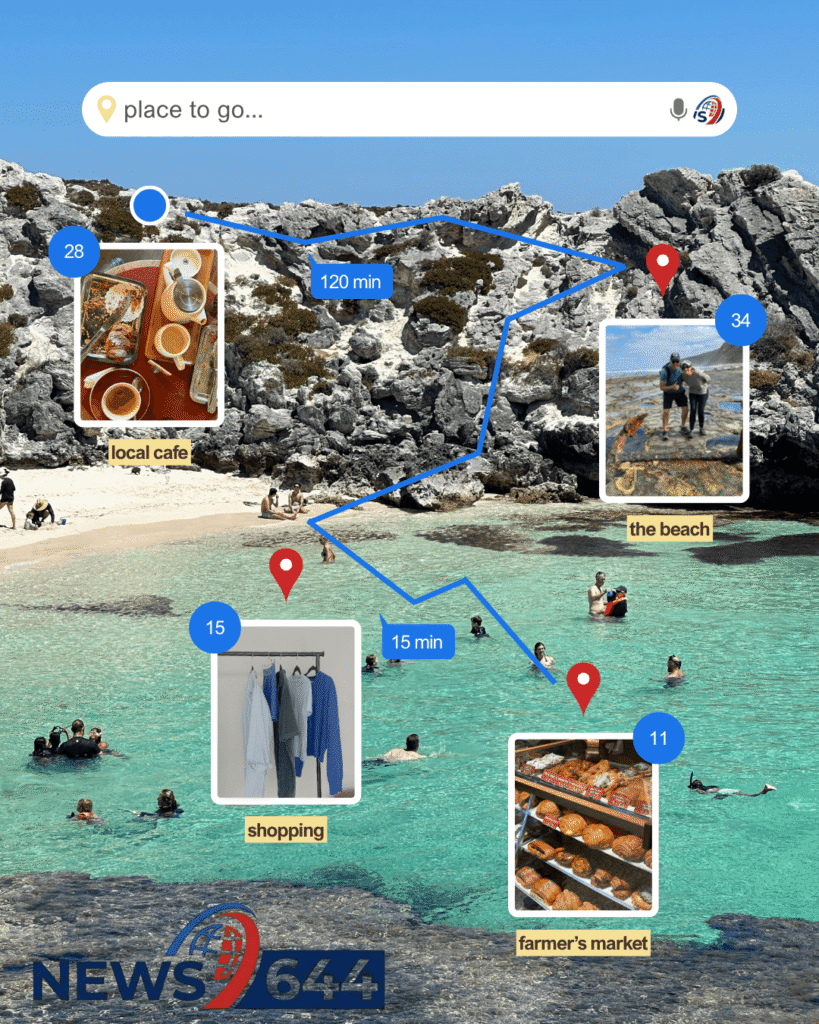
A Sydney city map with multiple colored pins marking business locations, illustrating optimized Google Maps pins in a local context. Optimizing your Google Maps business pin is key to capturing Sydney-based customers. Think of the pin as your digital storefront on the map. Make sure your pin is placed exactly at your actual business location (or marked as a Service Area if needed). Complete your Business Profile by adding accurate address, phone number, and business hours. Use Sydney-specific keywords in your description (e.g. “Sydney CBD café” or “Bondi Beach plumber”) to improve local relevance. Encourage real reviews from local customers to build trust. By implementing these steps, your listing gains credibility and depth, moving beyond basic info to actionable value for users. Each improvement elevates the quality of your profile. For instance, verifying your listing with Google (getting the little “Verified” badge) signals that you’re a legitimate business and can boost your position in local search. Adding a “Last Updated” date, such as “Updated: 2026,” shows customers (and Google) that your info is current, which is especially important given how rapidly local rules and fees can change. Google’s own reports show they remove huge volumes of fake content—over 13 million fake business profiles in 2025—so having an authoritative, well-maintained profile helps Google distinguish you from spam.
Why Duplicate or Fake Pins Hurt Your Business
Sydney is highly competitive. When competitors (or spammers) create fake pins or duplicate listings near your real address, they siphon off potential customers. Google’s algorithm can inadvertently push “duplicate” entries aside or treat them as the same place, so your legitimate business may not even show up in searches. Fake pins also confuse customers, who might go to a ghost location or hire an illegitimate provider, damaging your reputation. In recent examples, spammers even moved pins to absurd locations (like the ocean) to disrupt search results. Each fake listing degrades the quality of local search and forces you into a defensive “whac-a-mole” game. Plus, Sydney customers may unfairly lose trust if they encounter phony ads under your name. Google is aware of this: they routinely catch and remove millions of spam listings globally. Still, a determined attacker can slip through if you aren’t vigilant. The good news is that by following Google’s guidelines and using their official removal tools, you can significantly mitigate this problem and even strengthen your local SEO standing.
Spotting Fake or Spam Listings
How do you tell a bogus pin from a legitimate one? Fake listings often exhibit clear red flags. Look for virtual office or coworking addresses instead of real storefronts. If a competitor’s address maps to a UPS Store or similar, that’s a violation of Google’s policy unless someone is actually staffed there. Check if the business name is keyword-stuffed (e.g. “Best Sydney Plumber 24/7 Emergency Service”) – that’s usually against Google’s naming rules. Verify whether the business has any real web presence: fake listings often lack a credible website or social profiles. A listing that jumps from 0 to dozens of reviews overnight, or one with generic one-line reviews, is a warning sign of review manipulation. Also use Google Street View: if the address shows an empty lot or unrelated building, the pin is likely fake. Because spammers sometimes create several near-identical listings (same phone, slightly different addresses), keep an eye out for these patterns. In short, trust your local knowledge and simple detective work – then gather screenshots of any oddities (address, street view, phone match) as evidence for reporting.
Reporting & Removing Fake Listings
Once you’ve identified a fake pin, report it to Google promptly. Google Maps makes this fairly straightforward:
- Use “Suggest an edit” on Google Maps. Find the fake listing, click “Suggest an edit,” then choose “Close or remove” and mark it as “This place is spam,” “doesn’t exist,” or “duplicate”. For example, if a competitor created a ghost pin at a virtual address, selecting “doesn’t exist” helps remove it.
- Business Redressal Form: If there are multiple fake entries (e.g. a whole cluster of duplicate pins), fill out Google’s Business Redressal Complaint Form. You can submit a list of URLs for up to 100 suspicious profiles at once. Be sure to detail why each is malicious (e.g. cite keyword abuse or false address). Google’s support team will review them, though note that action isn’t guaranteed.
Follow these tips for an effective report: document everything with screenshots – pin on the map, street view, and the competitor’s own website (if any) showing inconsistent info. Focus on violations of Google’s guidelines, not just that “they outrank me” – show how the listing breaks rules. If one report isn’t enough, escalate by posting in the Google Business Profile Community Forum where Product Experts may intervene, or contact Google Business Profile support through your own verified profile. Keep in mind, though, there’s no permanent way to block spammers: it’s often a whack-a-mole situation. However, consistently flagging new fakes raises the cost of spam for them and can clean up your map area over time.
Best Practices for Your Google Maps Pin
Alongside reporting bad pins, fortify your own listing with best practices:
- Claim & Verify Your Listing: Ensure you have claimed the correct listing for your business and that it’s verified in Google Business Profile. An unverified or duplicate listing can lose you search presence.
- Accurate Address & Service Area: Enter your real store address. If you serve customers at home (service-area business), hide your address and define your service area instead. Competitors often abuse this by placing a pin next to your store; avoid it by keeping your service area settings clean. Only one pin per actual address is allowed for distinct businesses.
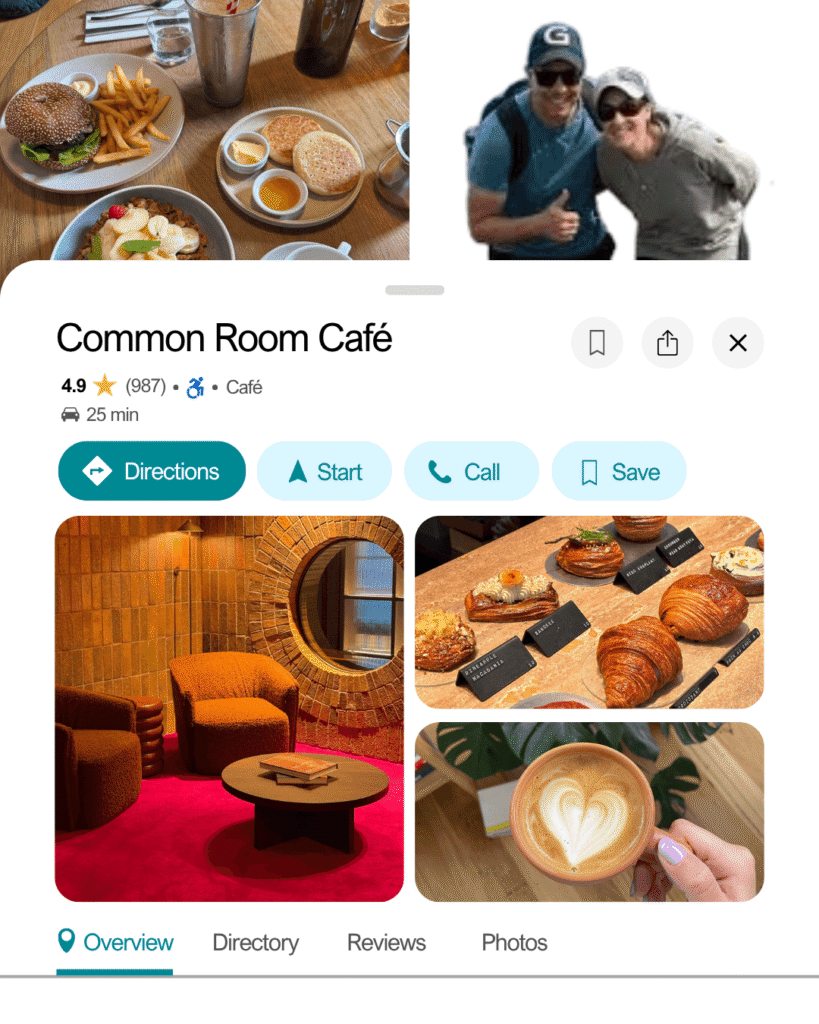
- Complete All Fields: Add high-quality photos of your storefront and products, full business hours, and an updated description. Include Sydney suburb or landmark names to anchor you locally. Avoid outdated fees or details – replace any 2023 data with the latest (e.g. new KHDA/ADEK school fees for school listings).
- Use Localized Keywords and Content: Focus on Sydney-specific advice. Instead of a generic “start a business” article, write about NSW regulations, local visa quotas, or Sydney council permits. This not only makes your content more valuable but also signals relevance to Google and users.
- Monitor and Engage: Regularly check your Google Business Profile dashboard for suggestions or alerts. Respond promptly to genuine customer reviews (positive or negative) to show Google you’re active. If Google pauses new reviews due to suspicious activity, they’ll notify you – make sure your email alerts are enabled (a new feature rolled out to business owners).
- Keep Listings Unique: Don’t create multiple profiles for the same business under different names or locations – Google merges true duplicates and may lose content if you delete one profile incorrectly. Instead, if you expand services or locations, update your one profile or follow the move-a-business protocol.
Implementing these practices not only improves your map pin, but it also qualitatively transforms your online presence. Each detail adds legitimacy, moving your listing from basic to professional. Notice how a fully detailed, locally-focused profile attracts more clicks and appears higher in local pack results – this is your content becoming higher quality and ready for the professional audience in Sydney.
Good vs. Bad Practices in Local Map Listings
| Aspect | Good Practice | Bad Practice (Map Spam) |
|---|---|---|
| Business Name | Use your official business name without extra keywords. | Keyword-stuffed name (e.g. “Sydney Electrician Fast 24/7 Services”). |
| Address | Enter a real storefront address or service area settings. | Virtual office or coworking space address to fake a presence. |
| Verification | Verify your listing with Google (claim via postcard, phone). | Unclaimed/unverified listing or someone else owning your profile. |
| Category/Description | Use correct business category and honest description. | Wrong category or misleading description with irrelevant info. |
| Contact Info | List correct phone, website, and contact details. | Wrong or competitor’s phone; link to unrelated affiliate products. |
| Photos | Upload high-quality, original images of your location. | No images, or generic stock photos unrelated to your business. |
| Reviews | Encourage real customer reviews and respond to them. | Accept fake/bought reviews or have no reviews at all. |
| Update Frequency | Regularly update opening hours, menus, or pricing. | Old/outdated info (e.g. fees from 2023 or holiday hours from last year). |
| Number of Listings | Only one listing per actual business location. | Multiple listings/satellites in same area for the same business. |
Table 1: Good versus bad practices for Google Maps listings. Following the “Good” column helps your pin perform well in Sydney searches, while the “Bad” column illustrates common spam tactics to avoid.
Advantages, Problems & Solutions
| Feature/Action | Advantage (Benefit) | Problem if Ignored | Solution |
|---|---|---|---|
| Accurate Address Pin | Pin appears at your storefront; customers find you easily. | Competitors’ fake pins nearby can steal your visibility. | Ensure your address is correct. Use service-area setting if needed. |
| Single Listing | Consolidated reviews and ranking signals. | Duplicate profiles split your SEO and confuse Google. | Identify and merge or remove duplicates via Google’s process. |
| Verified Profile | Google shows “Verified”; builds trust with users. | Unverified profile looks less authoritative in search. | Complete verification steps (postcard, phone) for your profile. |
| Complete Business Info | Rich listing attracts clicks (photos, menu, hours). | Sparse listings underperform; outdated info misleads users. | Fill out every field; update info regularly (e.g. current year fees). |
| Genuine Reviews | High rating and comments boost ranking and credibility. | Fake reviews can trigger penalties; no reviews means low trust. | Encourage real customers to review, and promptly address feedback. |
| Local Keywords/Content | Improves relevance in Sydney search queries. | Generic content fails to rank or attract Sydney users. | Mention local neighborhoods, regulations, and real examples in content. |
| Reporting Spam | Clean map area; protects your market share. | Fake listings remain, hurting your traffic and reputation. | Use “Suggest an edit” and Business Redressal form to flag spam. |
Table 2: Key listing features, their advantages when done correctly, the problems caused by neglect or abuse, and recommended solutions.
Expert Tips for Map Listings
- Monitor Competitors: Check Google Maps for new pins near your address monthly. Early detection helps you react quickly. Set up a saved Google Alert for your business name plus terms like “Sydney” or “open on maps.”
- Use Third-Party Tools: Consider local SEO tools (like Moz Local or BrightLocal) to scan for duplicate listings across multiple platforms, not just Google. Some tools can even automate reporting of obvious duplicates.
- Network Locally: Encourage satisfied customers to tag or check in on your Google page (if your business involves a check-in feature). A surge in legitimate check-ins and reviews makes it harder for fake listings to gain traction.
- Leverage Authority: Link your Google Business Profile from reputable local sources (e.g. local chambers of commerce, Sydney business directories). Earning local backlinks can indirectly signal legitimacy.
- Stay Informed: Subscribe to updates from Google’s Local Guides or official forums. If Google introduces new policies or tools (like the proactive email alerts coming for US/UK/Australia owners), you’ll learn about them.
- Legal Angle (if needed): In Australia, false advertising is illegal under the ACL, but digital map spam is usually handled by Google’s platform policies first. If a competitor’s fake listing is part of a larger scam (e.g. impersonating your business), seek legal advice on digital impersonation.
FAQs
Q: How can I permanently stop a competitor from making fake Google Maps listings?
A: There’s no foolproof permanent block, since determined spammers can always try again. The best approach is vigilance: keep reporting each fake listing via Google Maps’ “Suggest an edit” and the Business Redressal form. Over time, this raises the effort cost for the spammer and significantly reduces their impact on your visibility. Also, lock down your own listing by verifying it and keeping it authoritative – Google tends to favor verified, active profiles over sparse or unclaimed ones.
Q: What should I select when using “Suggest an edit” for a fake listing?
A: On the edit form, scroll to “Close or remove this place”. Then choose the most fitting reason: if it’s an outright fake with no actual business at that address, select “This place is permanently closed or never existed.” If it’s clearly the same business as yours or your competitor’s duplicate, choose “Duplicate of another place.” For spam-style listings (keyword stuffing or nonsense entries), choose “Spam.” Finally, submit the edit. Google will review it, though it may take time for changes to appear.
Q: Can I use the Google Business Profile forum or support chat to help remove fake listings?
A: Yes. Google’s Product Experts monitor the Business Profile support forums and can escalate tricky cases. If you face persistent map spam, post your example (with screenshots) in the Official Google Business Profile Help Community. Additionally, if you have your own verified profile, you can contact support via the dashboard (phone/chat) and mention the fraudulent listings; they occasionally intervene in serious cases. This is more about policy violations than typical support, so focus on concrete evidence of abuse.
Q: My competitor has a pin next to my storefront with a fake address. How do I remove it?
A: Report it via Google Maps: find that pin, click “Suggest an edit”, then “Close or remove” with reason “Not at this location (spam/due to duplicate address)”. Provide context in the description if possible (e.g. “This address is not a real business”). If the competitor keeps creating new pins, you may need to file a Business Redressal complaint listing all the URLs. In parallel, reinforce your actual address on your verified profile so Google has no confusion about your real location.
Q: Does reporting a fake listing affect my real business profile?
A: No, reporting fake or spam listings doesn’t harm your own listing. In fact, it can help by cleaning up the map. Google treats each report separately. Just be sure you click on the fake business’s listing when reporting, not your own. If you have multiple profiles for the same business, Google may try to merge or remove one, so make sure you’re managing the correct (verified) profile and let Google know which is canonical.
Q: Can Google penalize me for competitor abuse?
A: Generally, no. Google understands map spam is often an external attack on your business. As long as your own listing complies with policies and you actively address issues, you shouldn’t be penalized. Google’s goal is to remove the spam, not punish you. To be safe, just maintain clear business practices and communicate with Google support if you suspect serious issues. Also, keep documentation of your legitimate business (licenses, website, photos) to prove authenticity if ever needed.
Q: What if a Google update or bug causes multiple pins at one location?
A: Occasionally Google’s data can glitch (as happened in 2024 where pins for different businesses mistakenly overlapped). If you see multiple legitimate businesses appearing at the same spot, report it to Google (via Maps Help → “Report a problem”). Google has acknowledged these issues and usually fixes them fast. Keep your profile active and correct, and Google’s systems (including new AI checks) will likely resolve such errors.
Q: Do I need any permission from Sydney council or regulators to correct my map listing?
A: No local permits are needed to manage your online business listing. However, in Sydney (as in other places) you must ensure your physical signage and address information comply with local business rules. For example, if you claim a specific suburb, make sure your shop is actually there. But editing your Google listing itself is a matter between you and Google’s guidelines, not local government.
Q: How often should I check for fake listings?
A: Make it a routine – at least monthly or quarterly. The moment you notice unusual changes in search or drops in map traffic, check Google Maps around your address. You can even enter your business name plus the street name in Maps to see if extraneous pins appear. Automating checks with local SEO software can save time. Early detection means less spam lingers and customers see your real pin first.
Q: Are there any Sydney-specific tools or resources for Google Maps issues?
A: While there’s no Sydney-only Google tool, Australian SEO and business forums can be helpful. For example, some local agencies (e.g. Yellow) publish tips on Australian Google Maps optimization. Also look for webinars or meetups from Aussie digital marketing experts – they often cover local case studies. Ultimately, Google’s own support docs and global forums remain the primary resources.
Q: If I fix a fake pin on my own Google Maps, will it disappear everywhere (Google Search, Maps, etc.)?
A: Yes. Google Maps data feeds into Google Search and other Google products. Once a fake pin is removed or marked closed, it should vanish from both Maps and Search listings. However, cache and indexing might take a day or two. You can speed this up by clearing your browser cache or checking via an incognito window.
Q: Can I pay Google or a marketing firm to remove these duplicates?
A: No, Google does not offer paid removal of spam listings. Use the free tools outlined above. Beware of any service claiming to “guarantee” removal for a fee – they may themselves be spammers. Focus on legitimate SEO practices: improving your pin’s quality and using Google’s official reporting methods.
Conclusion
Duplicate or fake Google Maps pins are a growing headache for Sydney businesses, but you can fight back. By optimizing your legitimate Google Business Profile — verifying it, completing all details, and using Sydney-focused content — you build a strong, trustworthy presence. Simultaneously, vigilantly identify and report any suspicious pins using Google’s built-in tools. This two-pronged strategy of fortification and enforcement gradually cleans up your local map. Remember, Google is actively fighting map spam (removing millions of fake profiles each year), so staying compliant and proactive will keep your business in good standing. Ultimately, well-managed map pins not only block competitors’ tricks but also improve your visibility and reputation, driving more real customers to your Sydney storefront.