
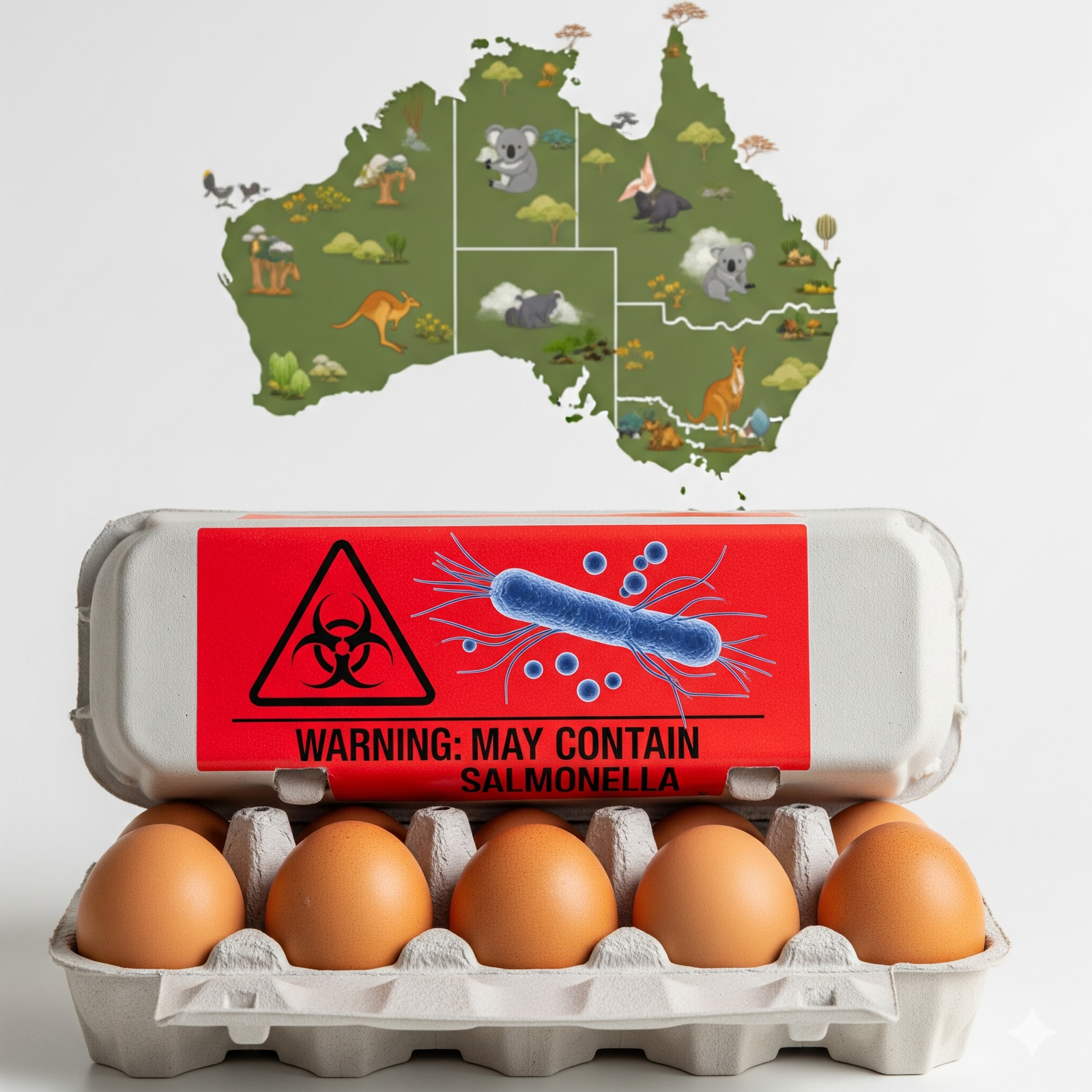
Australia has recalled several batches of eggs due to possible contamination with Salmonella Enteritidis, a bacteria that can cause severe foodborne illness. The recall affects eggs distributed across multiple states and sold under various brand names. Symptoms of salmonella infection include diarrhea, fever, vomiting, and abdominal cramps, which can be especially serious for young children, the elderly, and people with weakened immune systems. Food Standards Australia New Zealand (FSANZ) is strengthening safety regulations, focusing on environmental monitoring, traceability, and temperature control during storage and transport. Consumers are urged to check recall notifications and avoid consuming affected eggs to protect their health.
Why is salmonella contamination a major concern?
Salmonella contamination is a major concern because it causes foodborne illness with common symptoms including diarrhea, abdominal cramps, fever, nausea, and vomiting. The infection usually appears within 12 to 72 hours after exposure and can last several days. While most people recover without treatment, severe cases can cause dehydration and require medical attention. Vulnerable groups such as young children, the elderly, and people with weakened immune systems face higher risks of complications. Because salmonella can spread easily through contaminated food and surfaces, preventing infection through proper food handling and hygiene is critical to public health.
The Background: What Led to Australia’s Egg Recalls
Salmonella is a leading cause of foodborne illness worldwide, causing between 200 million to over 1 billion infections annually. It leads to approximately 93 million cases of gastroenteritis and around 155,000 deaths globally each year. Young children are particularly vulnerable to infection, with the highest reported case rates among this group. Eggs and egg products remain one of the most common food sources linked to salmonella outbreaks. Due to its widespread prevalence and serious health risks, salmonella continues to be a major public health challenge internationally.
Health Risks Behind the Egg Recall
The recall of eggs in Australia due to Salmonella contamination poses a significant threat to human health. Salmonella infection can cause symptoms such as diarrhea, fever, vomiting, and abdominal cramps, which can be severe, especially in young children, the elderly, and immunocompromised individuals. In rare cases, prolonged inflammation caused by Salmonella infection has been linked to an increased risk of colorectal cancer, highlighting the importance of preventing such outbreaks. The recall aims to remove contaminated eggs from the supply chain, reducing illness and potential long-term health consequences. Consumer awareness and adherence to recall notices are critical for minimizing exposure and protecting public health.
Why Consumers Must Stay Alert on Egg Safety?
Consumer awareness is vital for ensuring food safety and preventing foodborne illnesses. Educated consumers can recognize recall warnings and practice proper food handling at home. Awareness also encourages consumers to demand higher safety standards from producers. Informed consumers act responsibly, reducing the risk of contamination and outbreaks. Overall, consumer knowledge strengthens public health and fosters trust in the food supply.
Safety Steps for Salmonella-Linked Egg Recalls
To safely handle eggs recalled due to Salmonella contamination:
- Do not eat the recalled eggs, even if they look or smell normal.
- Check official recall notices to confirm if your eggs are affected by matching brand names and codes.
- Dispose of recalled eggs by sealing them in a bag or container before placing them in the trash to prevent contamination spread.
- Thoroughly wash your hands with soap and water after handling recalled eggs.
- Clean and sanitize any surfaces, utensils, and containers that may have come into contact with the eggs using hot soapy water and a bleach solution.
- Cook eggs thoroughly in the future to kill any potential bacteria.
- Stay alert for symptoms of Salmonella infection and seek medical attention if severe symptoms occur.
These steps help protect you and others from Salmonella-related illness during an egg recall.
Final Words
Australia’s egg recall serves as a crucial reminder of the hidden risks within our everyday food supply. While salmonella infections are often preventable, they remain a serious threat—capable of causing not only short-term illness but also long-term health complications such as colorectal cancer in rare cases. Swift action by regulators, coupled with responsible choices by consumers, is essential to minimize the spread of contamination.