
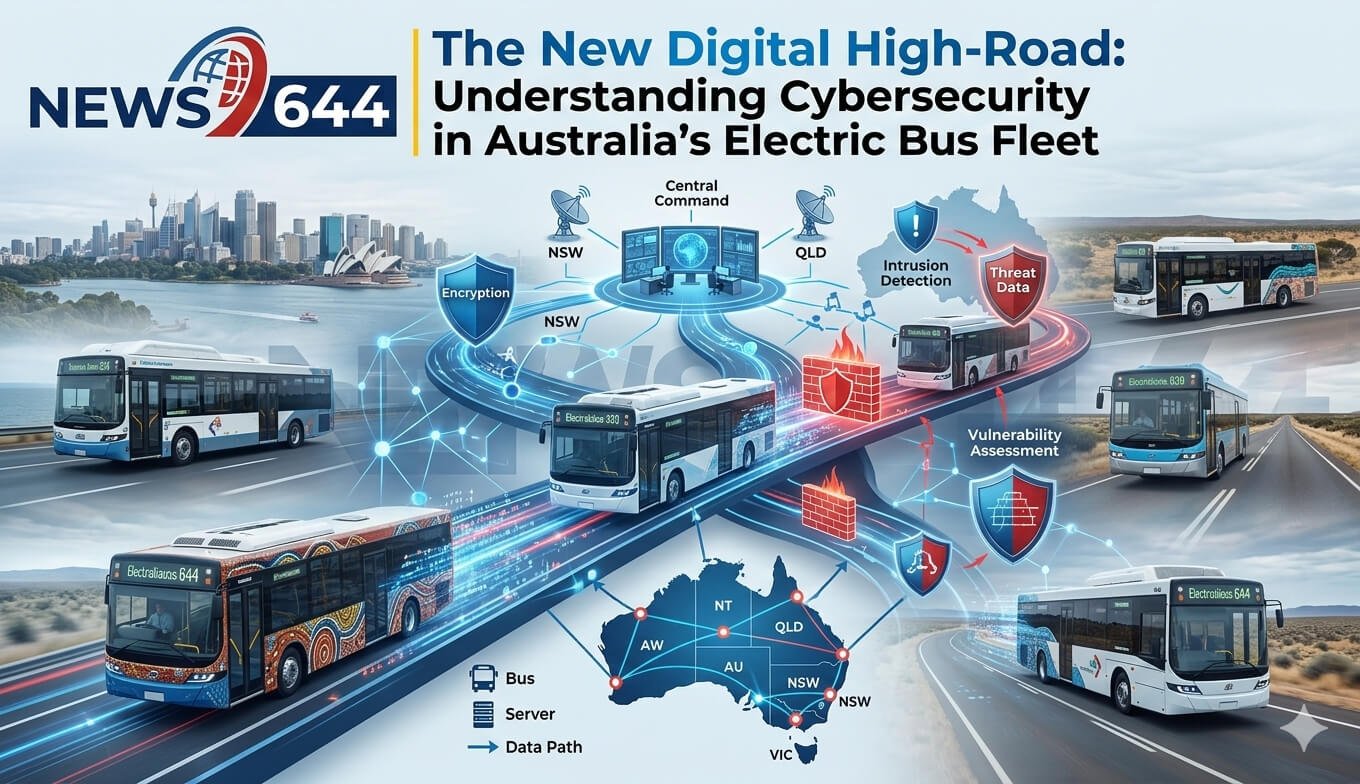
I’ve spent the better part of fifteen years tracking how technology weaves itself into our daily lives. Usually, it’s a story of progress—quieter streets, cleaner air, and smoother commutes. But lately, my conversations with transport authorities and security experts have taken a sharper turn. We are moving from mechanical machines to rolling computers. This shift brings a new kind of headache that goes far beyond a flat battery or a worn brake pad.
The recent findings from Norway regarding Yutong electric buses have sent a ripple through the Australian transport sector. It’s a classic “invisible” problem. When you see a sleek new bus humming through Canberra or Sydney, you see a win for the environment. You don’t necessarily see the invisible data tether connecting that bus to a server thousands of miles away. In my experience, the gap between what a machine does and what its software allows is where the real risk lives.
What the Norway Tests Actually Revealed
Norway’s public transport operator, Ruter, didn’t just take a guess at these risks. They took a Yutong E-series bus into a sealed environment—literally a disused mountain mine—to see if they could poke holes in its digital armor. What they found was a level of remote access that raised eyebrows. The system allowed for “over-the-air” updates and diagnostics. On paper, that sounds convenient. In practice, it means someone, somewhere, has a digital key to the vehicle’s brain.
What I found most telling was the comparison they ran. They pitted the Yutong against a European VDL model. The VDL didn’t support wireless updates, making it a “dumb” bus in the best possible way regarding security. The Yutong, being a “smart” bus, was inherently more exposed. If you can update a bus’s software remotely, you can theoretically shut it down remotely. That isn’t just a glitch; it is a potential national security lever.
The Australian Context: More Than Just a Theory
In Australia, this isn’t a small-scale trial. We have over 1,500 Yutong vehicles on our roads, with a growing number of them being fully electric. These buses serve our major capitals—Perth, Brisbane, Sydney, and beyond. When I talk to local distributors like VDI, they are quick to point out that their local practice is different. They insist on manual, on-site updates rather than the remote “over-the-air” methods seen in Europe.
It is also important to look at where the data lives. Currently, the operational data for these Australian buses is stored on Amazon Web Services (AWS) servers right here in Sydney. The argument is that this keeps everything under the umbrella of Australian privacy laws. However, as Alastair MacGibbon from CyberCX rightly points out, the hardware still has an inherent connection to its manufacturer. It’s a umbilical cord that’s very hard to cut completely.
Why “Made in China” Changes the Conversation
We have to be honest about the geopolitical layer here. This isn’t just about a bus being built in a specific factory. It’s about the legal framework of the country where the parent company resides. In China, corporations are often under a level of state oversight that we don’t see in the West. This creates a “trust deficit” that is hard to bridge with simple service agreements.
I’ve seen this play out in the telecommunications world, and now it’s hitting transport. If a foreign state can influence the company that built your city’s infrastructure, you have to ask: what happens in a crisis? Could a fleet of buses be bricked simultaneously? It sounds like a movie plot, but for security agencies, it’s a scenario they have to plan for. The concern isn’t about the color of the paint or the quality of the seats—it’s about who holds the remote control.
The Push for Independent Scrutiny
Dr. Dennis Desmond, who has seen his fair share of data breaches during his time with the FBI, makes a solid point. We shouldn’t be deploying “smart” transport in sensitive areas without independent testing. We tend to buy things because they are efficient and cost-effective, but we often forget to check the digital “back door.”
What I’ve noticed is a growing demand for a national cybersecurity framework specifically for connected transport. We need a standard that applies to everyone—not just Chinese brands, but any manufacturer selling connected IoT (Internet of Things) devices. If a bus is part of our critical infrastructure, it should be treated with the same level of security as a power plant or a water treatment facility.
Can these buses really be steered or crashed remotely? Yutong Australia has been very clear on this: their local fleet does not support remote control of steering, braking, or acceleration. The remote access found in Norway was related to software diagnostics and updates, which could affect whether a bus starts or runs, but isn’t the same as “remote driving.”
Is my personal data at risk when I ride one of these buses? Most of the data collected is “operational.” This means it tracks energy usage, GPS location, and mechanical performance. While it doesn’t usually track individual passenger names, the location data of a bus fleet is still sensitive information for a city’s transport grid.
Why doesn’t Australia just ban these buses like the US? Australia generally takes a “layered” approach rather than outright bans. We tend to focus on where the data is stored and how the systems are managed locally. However, as these security concerns grow, you can expect to see much stricter certification requirements for any imported smart tech.
Are European or American buses safer? Not necessarily by default. Any vehicle that stays “online” for updates has a point of entry for a hacker. The difference usually lies in the transparency of the manufacturer and the legal protections of the country of origin.