
Starting a trades business in NSW requires several registrations and licences. First, you need an Australian Business Number (ABN) from the Australian Business Register to operate legally and to register for taxes. If you trade under a business name (other than your personal name), you must register that name with ASIC. Once trading, you must monitor turnover: registering for GST is mandatory when you exceed the $75,000 annual threshold. Skilled trades require state licences: in NSW all plumbing/drainage/gas or electrical work must be done by a licensed tradesperson. Similarly, most residential building work over $5,000 (incl. GST) requires a contractor licence from Building Commission NSW. Finally, to bid on NSW Government contracts, you must register on the buy.nsw Supplier Hub (you need an ABN). This guide compares each registration type, explains why they matter, and gives a step-by-step checklist (including costs, timeframes, and pitfalls) for a Sydney plumber, electrician or builder.
Australian Business Number (ABN)
An ABN is an 11-digit identifier for your business. It is issued by the Australian Business Register (ABR) at no cost. You apply online (via abr.gov.au) and, if eligible, receive your ABN immediately. Eligibility requires carrying on or starting an enterprise in Australia (sole trader, partnership, company etc.). Notably, normal employees cannot use an ABN to avoid taxes. When applying, you’ll need details like your TFN and business structure. The ABR aims to process complete applications within 20 business days. Once granted, you must keep your ABN details up to date.
Key points: the ABN is the foundation of your registrations. You must have an ABN before registering a business name or GST. Make sure you genuinely intend to operate a business (having advertising, quotes or insurance set up) before applying. Common pitfalls include applying prematurely (ABR may review your ‘commencement activities’) or misunderstanding contracting-as-employee rules. Keep a record of your ABN confirmation for invoicing and tax.
Business Name Registration (ASIC)
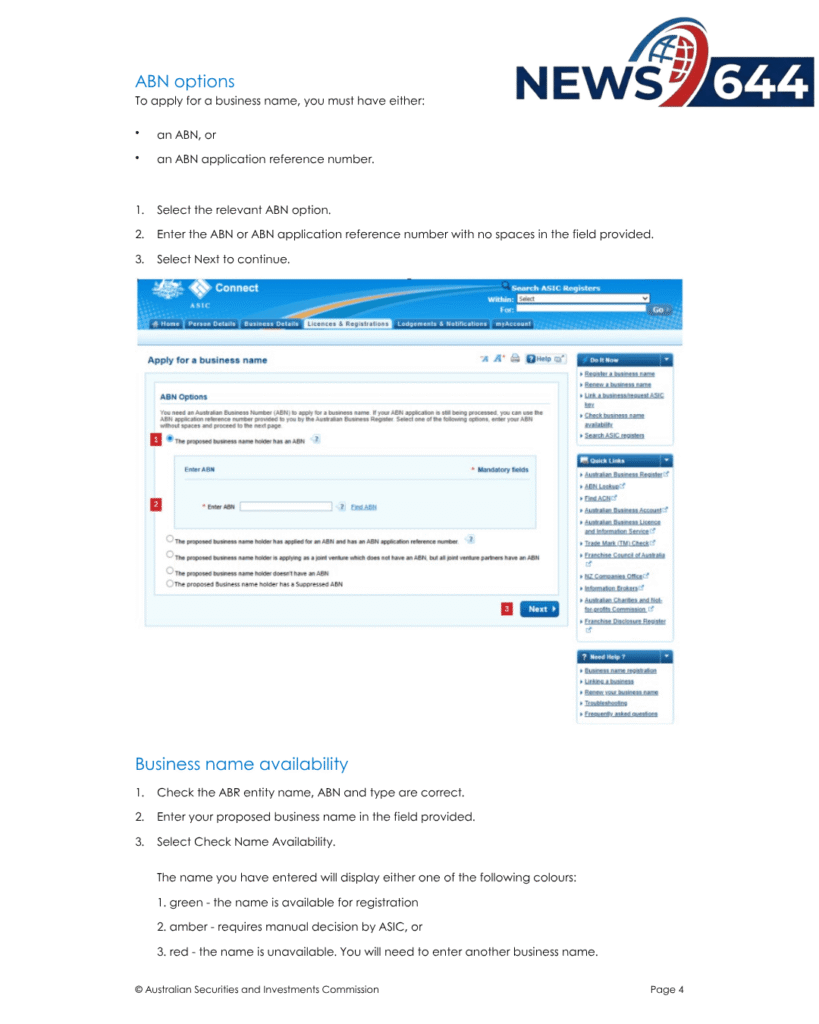
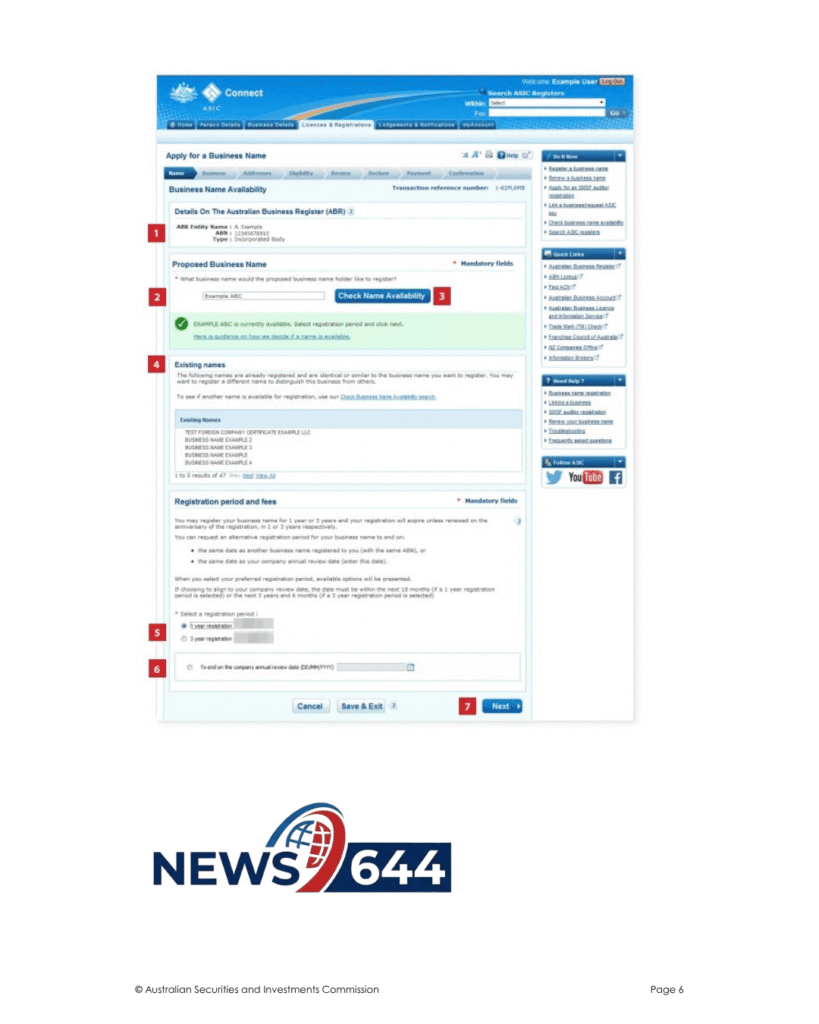
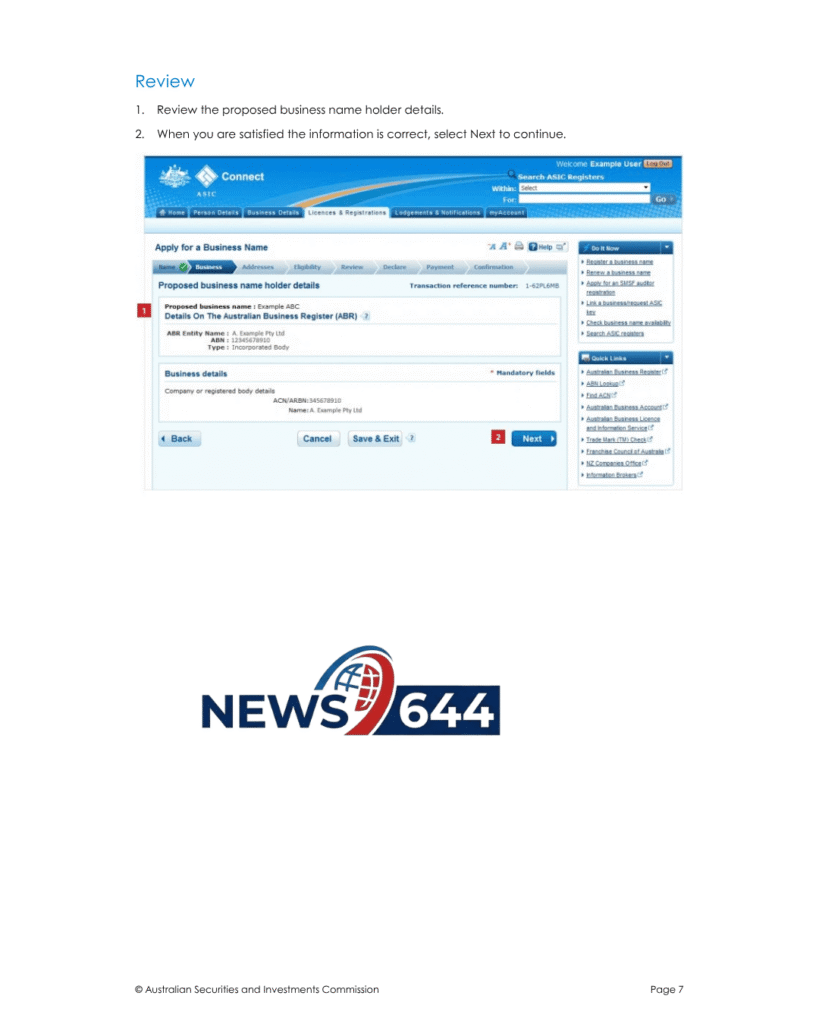
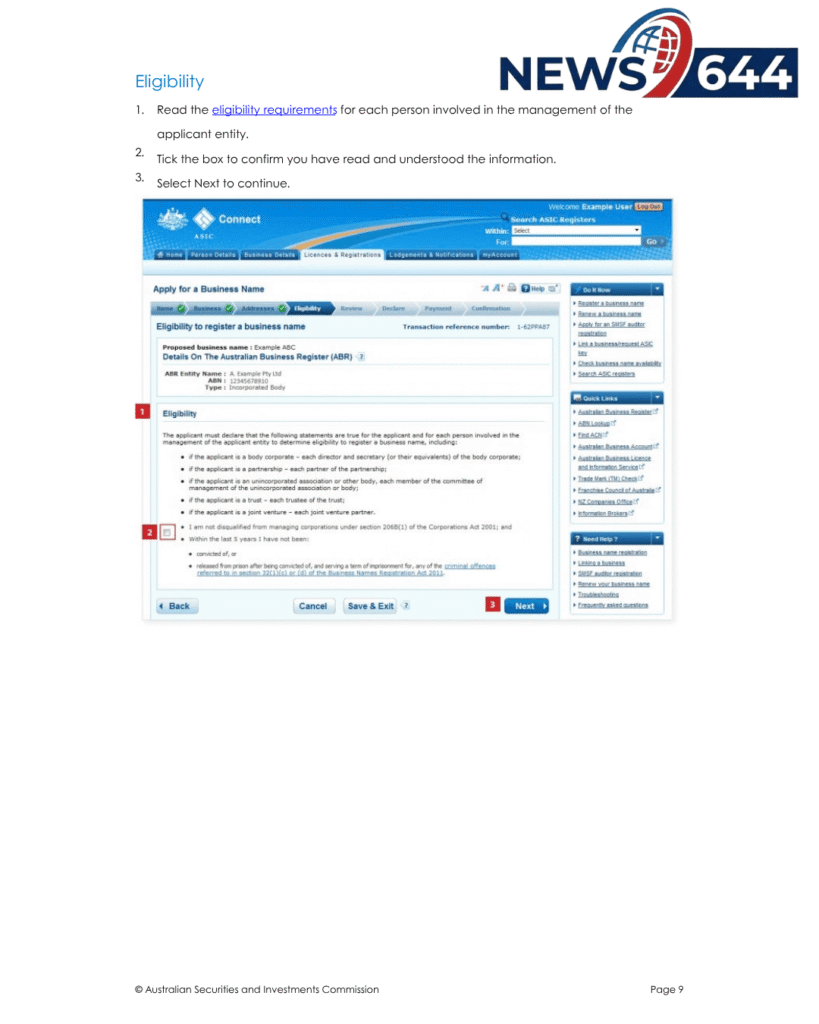
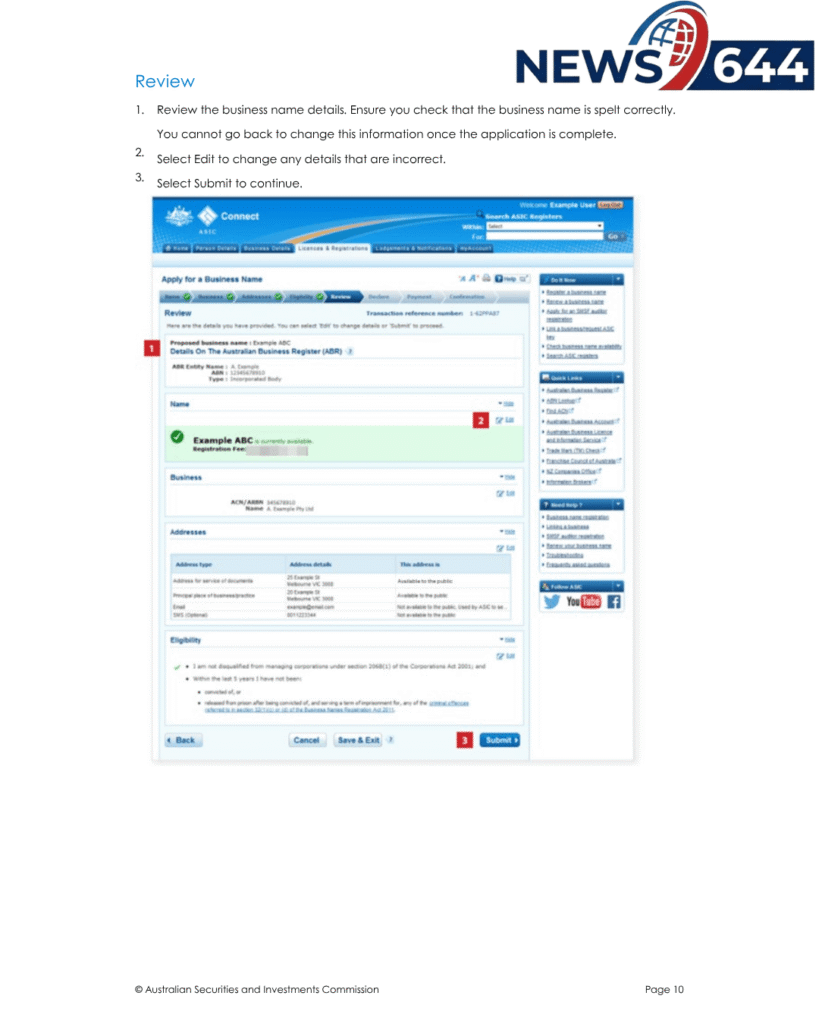
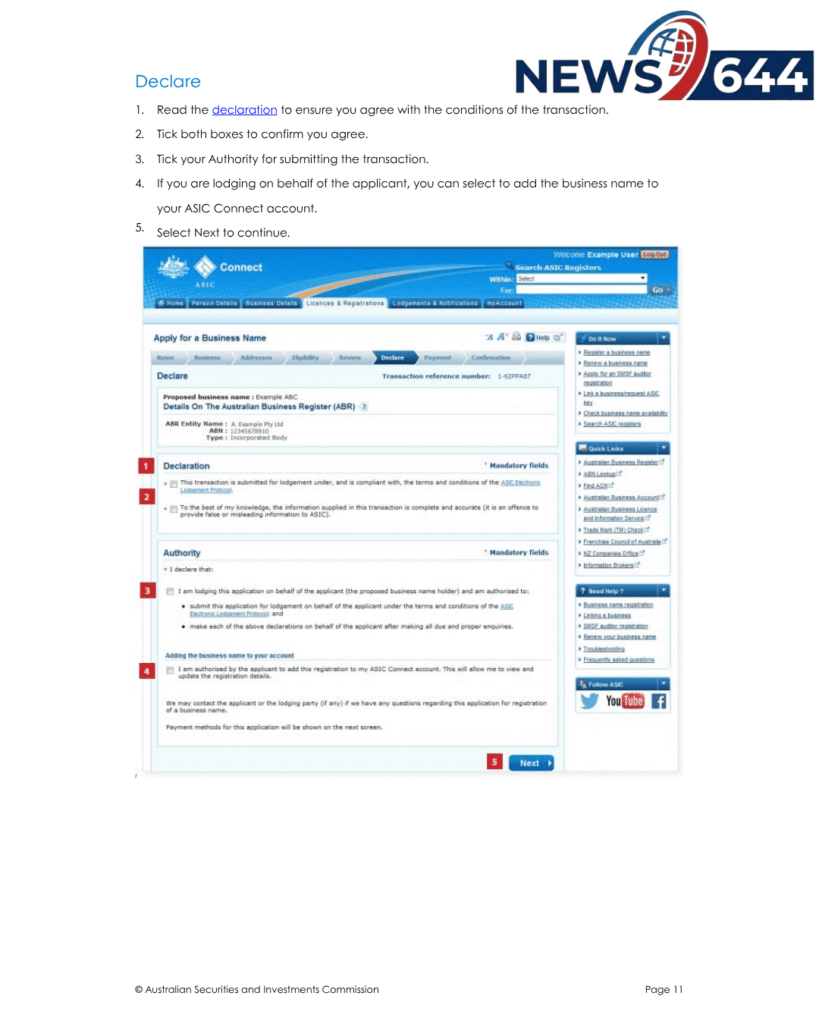
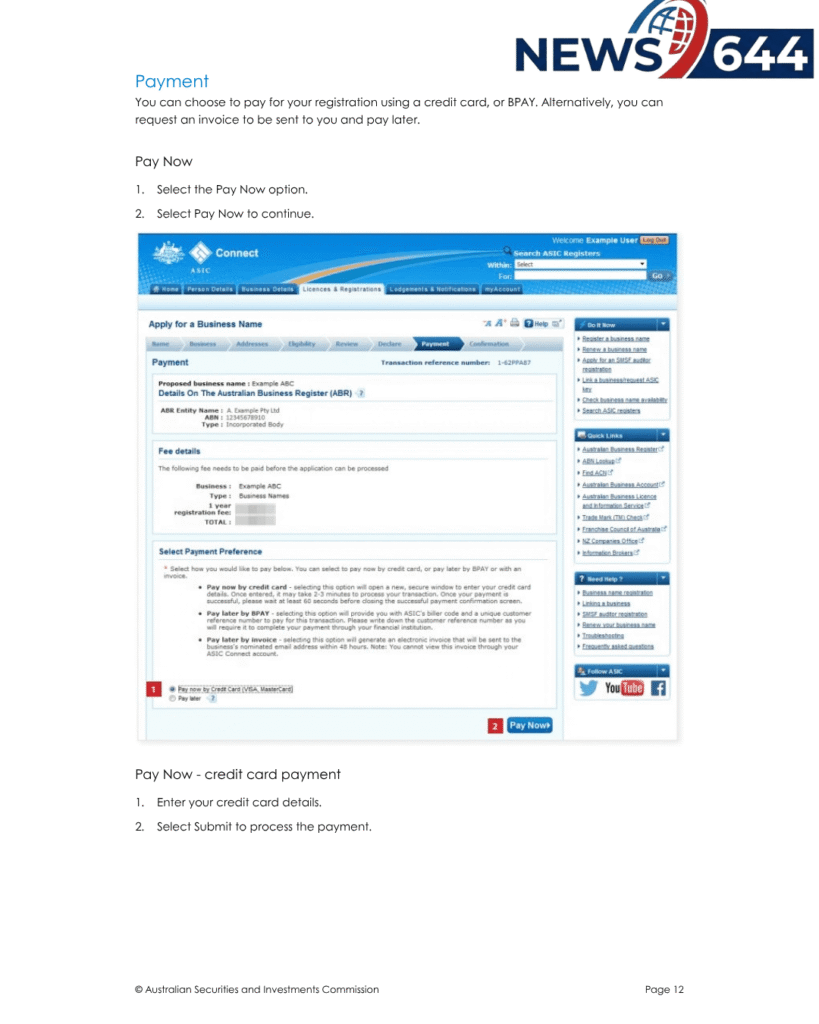
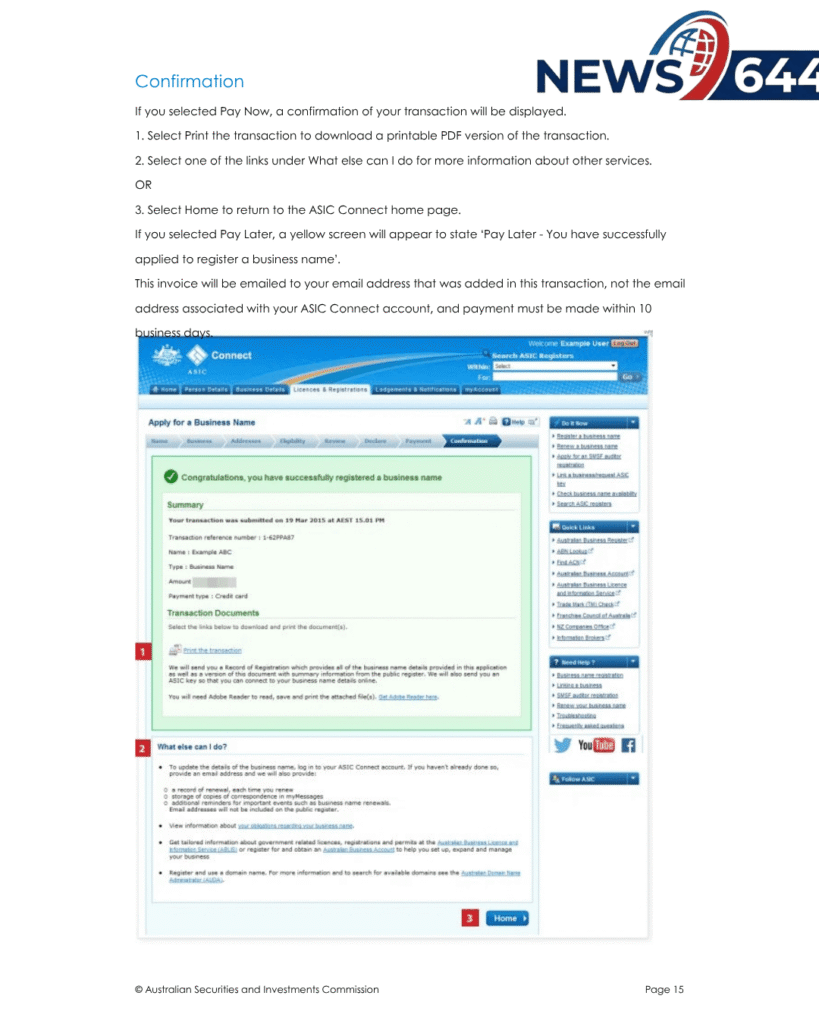
A business name is the public trading name of your enterprise. If you operate under a name other than your own full name (or all partners’ names), you must register that name with ASIC. For example, “Smith Plumbing” needs registration, whereas “John Smith” (sole trader) does not. To register online (through ASIC Connect), you need an ABN or ABN application reference. If you don’t yet have an ABN, you can apply for both ABN and business name simultaneously via the Australian Government Business Registration Service.
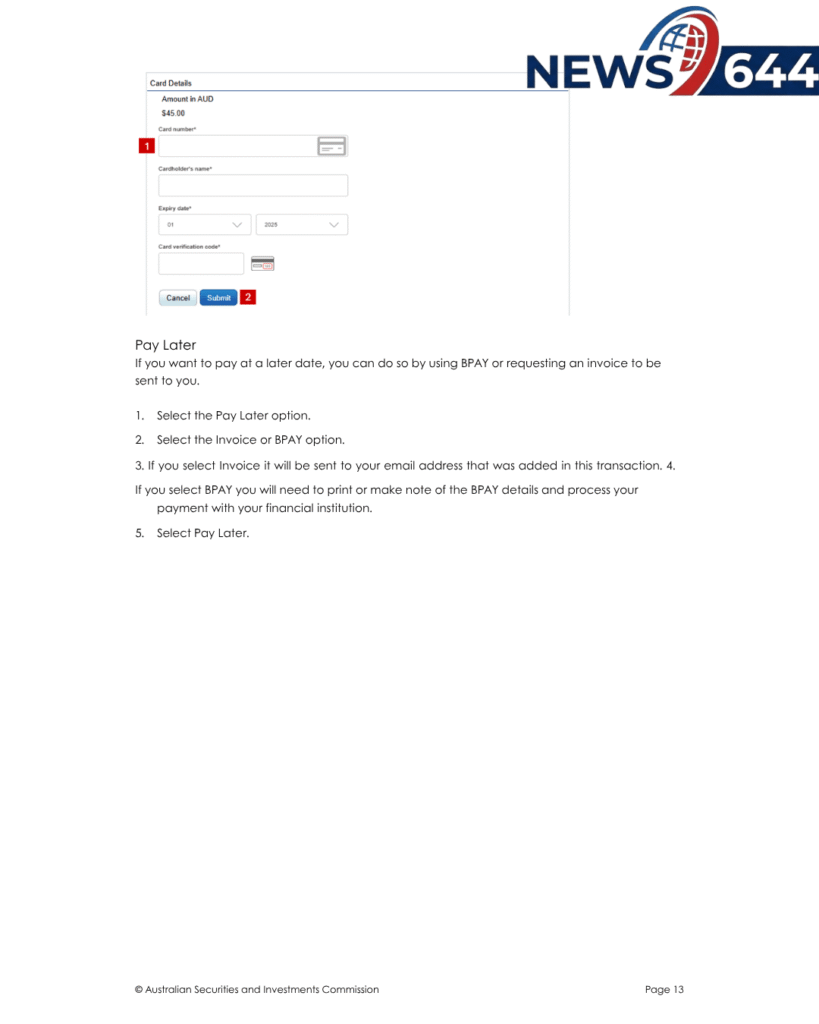
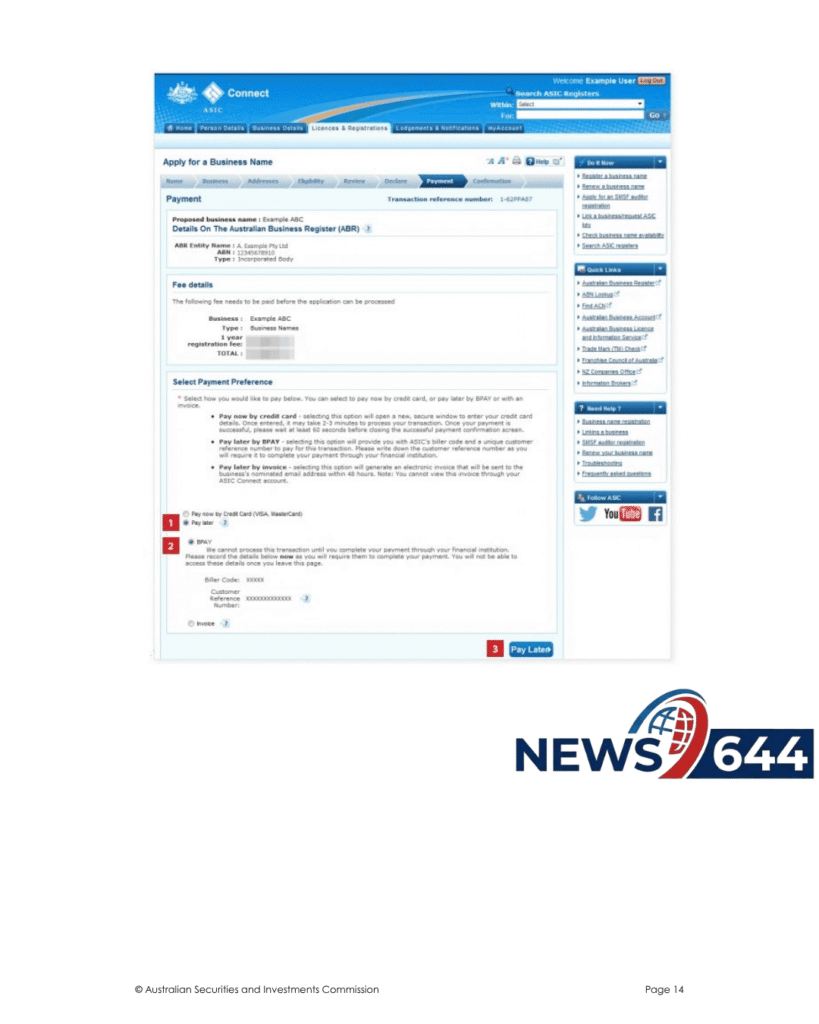
Registration incurs a fee: from 1 July 2026 it is $47 for 1 year or $108 for 3 years. (Fees are CPI-indexed annually.) ASIC processes name registrations once payment clears (usually within 24 hours). You will then receive an email confirmation of registration. Make sure the name is available beforehand – use ASIC’s business names register to check (green = available).
Key points: A registered business name must be displayed on public documents (invoices, signboards) along with your ABN. Include the business name on invoices and quotations. Notify ASIC within 28 days of any address or contact changes. A common pitfall is failing to renew: registrations lapse if not renewed before expiry. Also, choose a name that complies with all laws – avoid misleading or reserved terms (e.g. “bank”, “trust”) as other regulators may force you to change it.
GST Registration (ATO/ABR)
Goods and Services Tax (GST) is a 10% tax on most sales. Not all businesses must register. You must register for GST (through the ABR/ATO) when your GST turnover is expected to reach $75,000 per year. Turnover means gross income from business activities (excluding GST). You must also register for any taxi/ride-share services regardless of turnover. Once you hit the threshold, you have 21 days to register.
Applying for GST is free and is done through the ABR (often at the same time as ABN application). You need an ABN before completing the GST registration. Once registered, you must charge 10% GST on your invoices and lodge periodic BAS reports to the ATO. The benefit is that you can then claim GST credits for business purchases.
Key points: Monitor your turnover monthly to know when you cross the $75,000 mark. Failing to register on time can incur penalties. A common confusion is between GST turnover and net income – remember it’s total sales. There is no processing fee for GST registration, and it usually takes effect immediately once your ABN is active. Keep records (sales and GST invoices) to comply with BAS requirements.
NSW Trade Licences and Contractor Registration
NSW law strictly regulates many trade activities. In particular:
- Plumbing, Drainage and Gasfitting: All plumbing, drainage or gasfitting work (including LP gas) must be done by a licensed person. Licences are issued by NSW Fair Trading. A plumbing/drainage licence covers water and sewer work; gas fitting (e.g. installing or modifying gas appliances or pipelines) requires a separate gasfitter licence endorsement on top of the plumbing licence. There is no cost threshold – even a small tap installation requires a licensed plumber. To get these licences you must hold the requisite qualifications (generally an apprenticeship plus Certificate III) and apply via ServiceNSW.
- Electrical Wiring: Any electrical wiring work in NSW requires a licensed electrician. This covers installing circuits, switches, power outlets, etc. Licences are also issued by NSW Fair Trading (Electrical Safety Office). Again, no minimum job size – even minor wiring must be done by a licensee.
- Residential Building (Contractor Licence): A contractor licence (or qualified supervisor certificate) is required for most residential building work over $5,000 (including GST). This threshold is set by the Home Building Act. The new Building Commission NSW (since Dec 2023) issues these licences (applying via ServiceNSW); Fair Trading oversees enforcement. To qualify, applicants need at least a Certificate IV in Building and Construction (or equivalent) and relevant experience. The fee for a builder licence application includes a ~$359 processing fee plus the licence fee (which varies by licence term). For work over $20,000, you must also take out Home Building Compensation insurance before starting the job.
- Other Trades: Note that work like waterproofing, fire services, air-conditioning/refrigeration also require specialist licences in NSW. But for a plumber, electrician, or builder, focus on the above core licences.
Key points: You cannot legally do licensable work (electrical, plumbing, gasfitting, or >$5k building) without the proper licence. Unlicensed work risks large fines (up to ~$22,000 for individuals) and the loss of homeowner warranties. Always check your license status on the ServiceNSW “licence check” tool before accepting work. Renew and update licences promptly (e.g. when changing business address) to avoid enforcement action.
NSW Government Tender Registration
To bid on NSW Government contracts, you must register as an official supplier. The NSW procurement portal is called buy.nsw (Supplier Hub). To register on buy.nsw, you need a valid ABN. The online form (via ServiceNSW) asks for company details, contact info, ABN, and your goods/services categories. You then create a profile that government buyers can search.
Registration is free, and once your profile is complete, it enables you to view and apply for tenders on the NSW eTendering system. Importantly, all NSW government suppliers must be registered in Supplier Hub. Failing to register means you cannot bid for government jobs. After registering, keep your profile updated (e.g. business address, insurance) as opportunities may be matched to your profile information.
Key points: Ensure your ABN is correct, as you cannot change it once set. Have your company documents and tax records ready to verify your eligibility. A common oversight is registering with the wrong business structure or leaving out key services. Use the Supplier Hub’s “products and services” section carefully to describe your offerings. If you have multiple ABNs (e.g. several entities), each needs its own profile under the hub.
Step-by-Step Checklist for Sydney Tradies
- Choose Business Structure (Assumption): Decide if you will trade as a sole trader, partnership, or company. (This guide assumes a sole trader/partnership for simplicity.) Your structure affects registrations and liabilities.
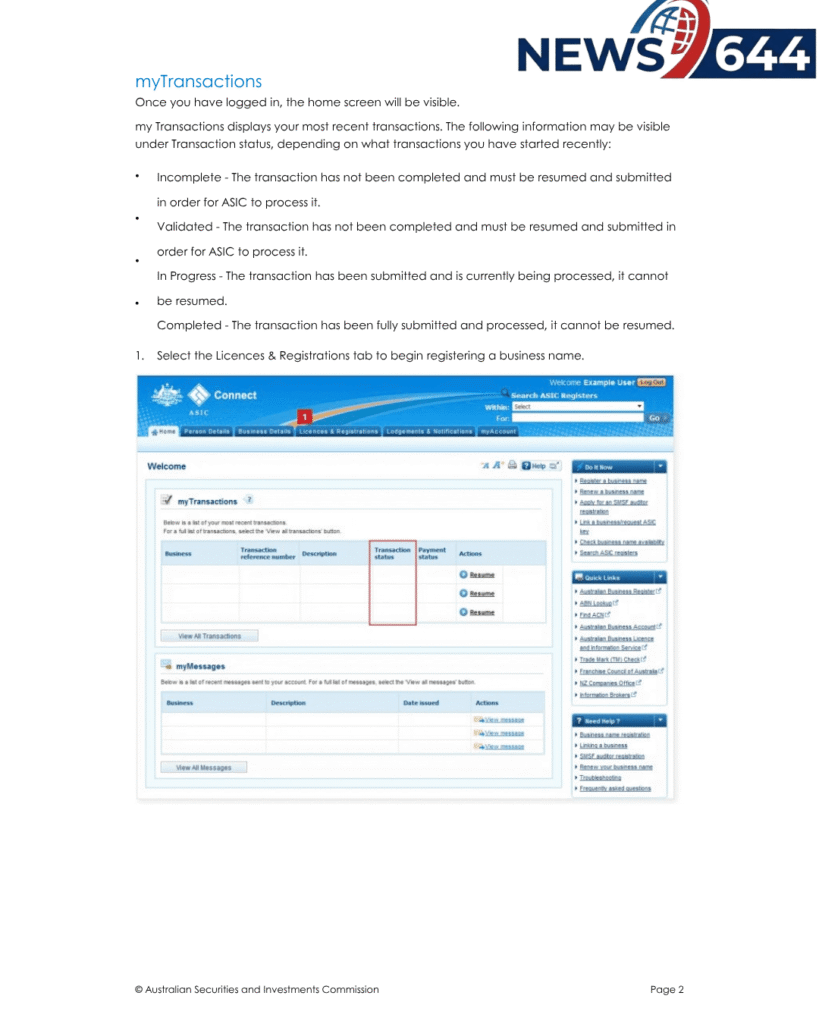
- Apply for ABN (Time: ~<1 day; Cost: $0): Go to abr.gov.au and apply online. Have your personal TFN, contact details, and planned start date ready. Completing accurately yields an ABN on the spot. Pitfall: Don’t apply if you’re actually an employee – that can trigger ATO inquiries. Keep the ABN confirmation email for your records.
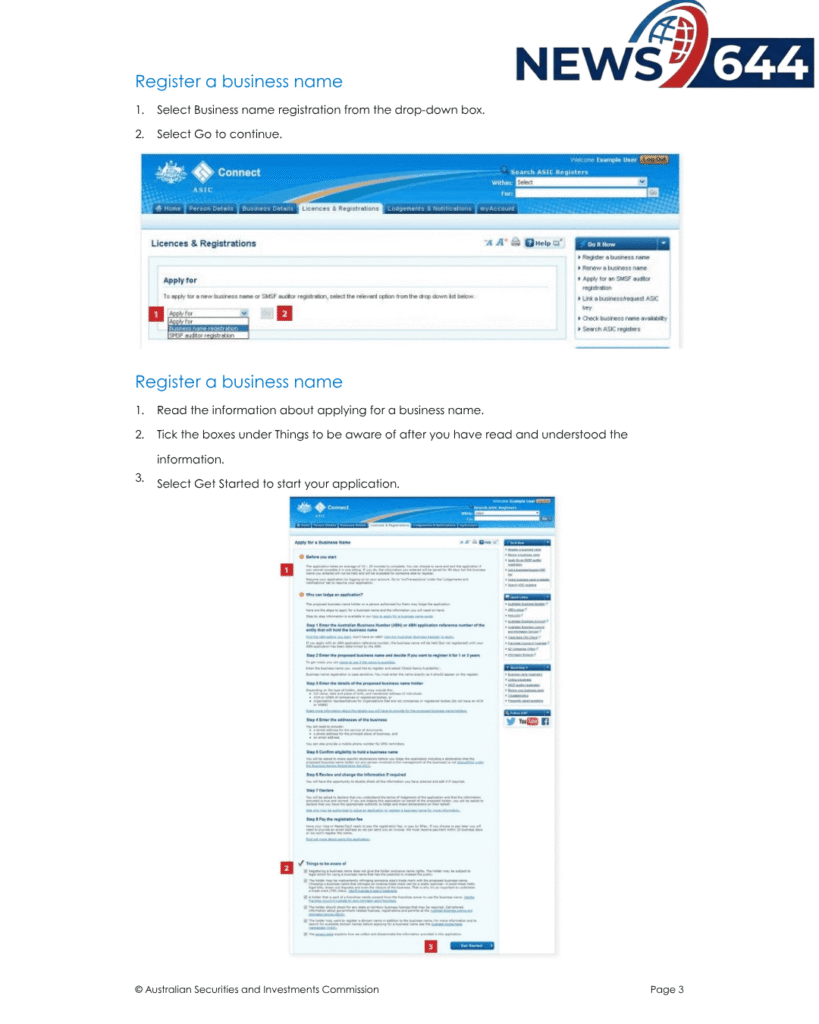
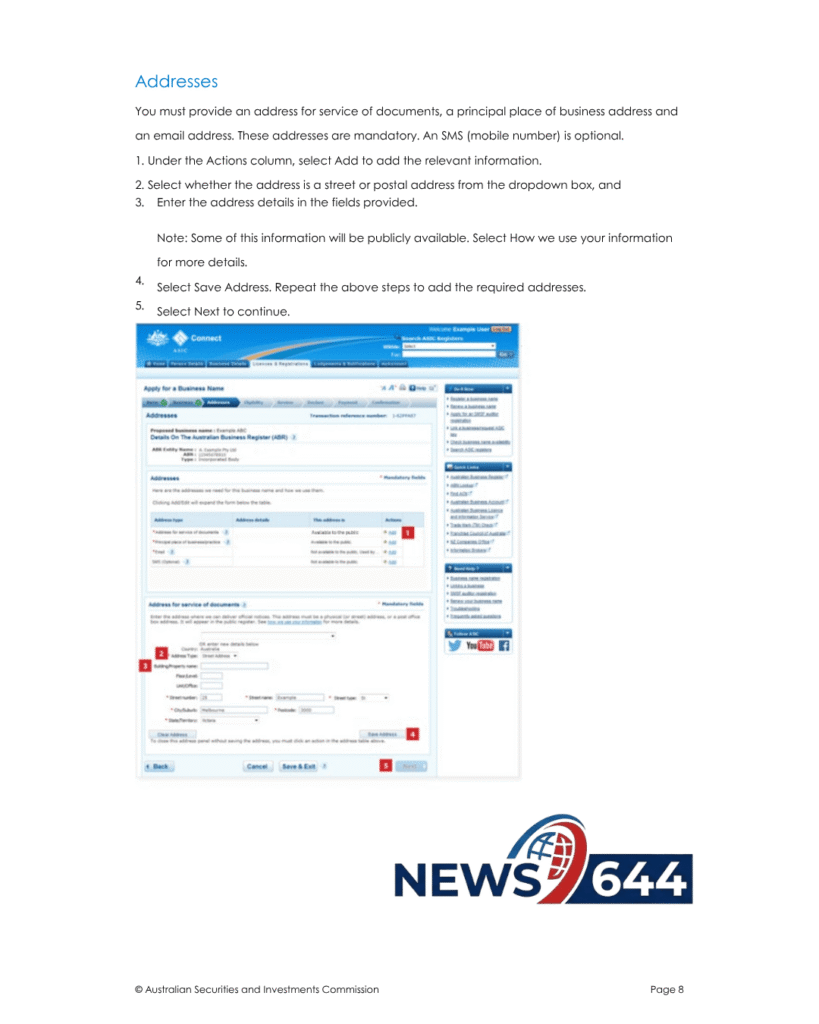
- Register Business Name (Time: ~24 hours after payment; Cost: $47 for 1 year or $108 for 3 years): On ASIC Connect, use your ABN to register the trading name (if not your own name). Provide a street address, email and phone. Pitfall: Verify name availability first. After registering, display the name on invoices and notify ASIC of any address changes within 28 days.
- Register for GST (Time: ~immediate with ABR; Cost: $0): Estimate your turnover. If ≥$75k, register via the ABR (or tick GST when applying for ABN). Once registered, you must add 10% GST to invoices and lodge BAS. Pitfall: Not registering on time can incur penalties. Keep detailed sales records from day one to ease BAS filing.
- Obtain Trade Licence(s) (Time: weeks; Cost: course fees + license fees): Determine which licences apply: e.g. a plumber needs a Plumbing/Drainage licence (and a Gasfitting endorsement if doing gas), an electrician needs an Electrical Wiring licence, a builder needs a Contractor licence for >$5k work. Enroll in any required training (typically a Certificate III or IV). Apply online via ServiceNSW/Fair Trading: fill the trade-specific form, upload qualifications, and pay fees. Pitfalls: Missing documentation (e.g. proof of experience) delays approval. Working without the licence is illegal and uninsured. Keep licences current with renewals.
- Register on buy.nsw (Time: ~1 day; Cost: $0): With ABN and business licence (if required), go to ServiceNSW and “Register as a supplier on buy.nsw”. Complete the profile fully: include business category (e.g. “construction”, “plumbing services”), contact person, and bank details for payments. Pitfall: Incomplete or inconsistent information (e.g. mismatched ABN details) can invalidate your registration. Once approved, watch for tenders on the NSW eTendering portal and use eTendering to submit bids.
- Ongoing Compliance: After all registrations, maintain them. Renew business name and licences before expiry. File any tax returns or BAS on time. Carry relevant insurances (workers’ compensation, public liability). Why it matters: Keeping records and compliance protects your ability to trade legally, to invoice properly (ABN/GST), and to engage with clients (licences).
Comparison of Registrations and Licences
| Registration/License | Purpose | Issuing Body | Cost (2026) | Processing Time | When Required |
|---|---|---|---|---|---|
| Australian Business Number | Business ID for tax and commerce | Australian Business Register | Free | Immediate (if all info) | Must have before trading / invoicing. Required for any enterprise. |
| Business Name Registration | Register trading name | ASIC (via ASIC Connect) | $47 (1yr) / $108 (3yr) | ~24 hours after payment | If trading under name other than personal/company name. |
| GST Registration | Register for 10% GST tax | Australian Taxation Office | Free | ~Immediate (online) | When GST turnover ≥ $75,000/yr or providing ride services. |
| Electrical Wiring Licence | Authority to do electrical work | NSW Fair Trading | (varies by licence) | Few weeks (qualification check) | For any electrical wiring work (all sizes). |
| Plumbing/Drainage Licence | Authority to do plumbing/drainage | NSW Fair Trading | (varies by licence) | Few weeks | For any plumbing/drainage work (all sizes). |
| Gasfitting Licence | Authority to do gas work | NSW Fair Trading | (endorsement fee) | Few weeks | Required in addition to plumbing licence for any gasfitting work. |
| Builder (Contractor) Licence | Residential building work > $5k | Building Commission NSW | ~$359 (processing) + licence | 1–2 months (complex) | For residential building contracts valued over $5,000. |
| NSW Supplier Registration | Eligibility for government tenders | NSW Government (buy.nsw) | Free | 1–2 days to create profile | Required if bidding for NSW Government contracts. |
(Note: License costs vary with licence class and duration; above are typical references for 2026.)
Registration Workflow
flowchart TD
    A[Decide Business Structure] --> B{Carry on an Enterprise?}
    B -->|Yes| C[Apply for ABN (ABR)]
    B -->|No| Z[No ABN Needed (e.g. hobby)]
    C --> D{Trading Name?}
    D -->|Yes| E[Register Business Name (ASIC)]
    D -->|No| F[Use Personal or Company Name]
    E --> G[Check GST Threshold]
    F --> G
    G -->|Over $75k| H[Register GST (ATO)]    G -->|Under $75k| I[Monitor Turnover]
    H --> J[Obtain Required Trade Licences]
    I --> J
    J --> K{Type of Work:}
    K -->|Plumbing/Gas| L[Get Plumbing Licence + Gasfitter Endorsement]
    K -->|Electrical| M[Get Electrical Wiring Licence]
    K -->|Building| N[Get Contractor/Builder Licence]
    L --> O[Comply & Renew Licences]
    M --> O
    N --> O
    O --> P[Register on NSW Supplier Hub (buy.nsw)]
    P --> Q[Review and Bid on Government Tenders]
This flowchart outlines the main steps: confirming you need to run a business, applying for an ABN, choosing to register a business name, checking GST obligations, obtaining necessary trade licences, and finally registering on the NSW Government supplier portal (buy.nsw) before tendering. Each step is critical to legal compliance and to keep your operations legitimate and competitive in 2026.